Filed under Auto Insurance on
Auto Insurance in Germany Guide for Expats and Drivers
Why Car Insurance Matters for Expats and Drivers in Germany
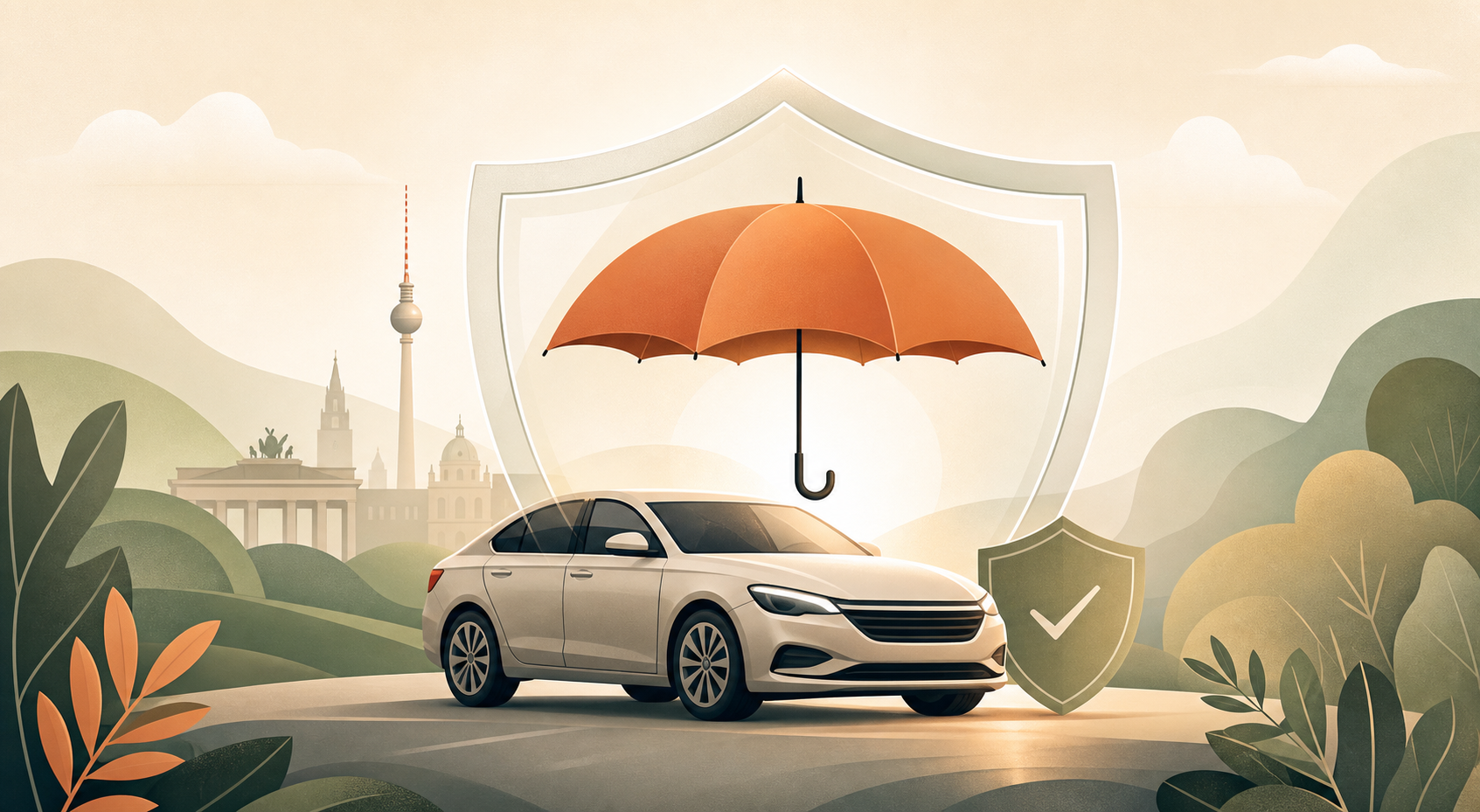
Driving in Germany offers clear roads, strong infrastructure, and a well-regulated vehicle system, but it also comes with strict insurance rules. Anyone who owns or registers a vehicle must have valid coverage before the car can legally be driven on public roads. For newcomers, understanding auto insurance in Germany is not just a financial step, but a legal necessity tied directly to vehicle registration and ongoing compliance.
Germany has one of Europe’s most structured motor insurance markets. Policies are standardized in key areas, yet insurers still vary widely in price, benefits, service quality, and claims handling. Expats often find the process unfamiliar because insurance categories, no-claims recognition, and registration requirements differ from those in the UK, US, Canada, Australia, and many other countries. Knowing how the system works can save time, reduce premiums, and help drivers avoid costly mistakes.
Whether you are relocating for work, buying your first car in Germany, or switching from an international driving arrangement to a local policy, understanding the basics of auto insurance in Germany helps you make informed and cost-effective decisions.
The Three Main Types of Car Insurance Coverage
German motor insurance is typically divided into three core levels of protection. Every driver must carry at least third-party liability insurance, while broader coverage options can protect against theft, vandalism, weather damage, and damage to your own vehicle after an accident.
Third-Party Liability Insurance
Third-party liability insurance, known as Haftpflichtversicherung, is mandatory by law. It covers damage you cause to other people, vehicles, or property. This includes personal injury claims, repair costs, and other losses for which you are legally responsible. Without this minimum level of coverage, you cannot register a car in Germany.
Because liability claims can be financially severe, especially in cases involving injuries, German insurers generally offer high coverage limits. This makes the basic legal coverage more robust than what drivers may be used to in some other countries.
Partially Comprehensive Insurance
Teilkasko, or partially comprehensive insurance, includes third-party liability and adds protection for certain non-collision risks. It usually covers theft, fire, glass damage, storm and hail damage, animal collisions, and in some cases attempted break-ins or wiring damage caused by martens, which are a known issue in parts of Germany.
This level is often chosen for used cars with moderate value. It balances affordability with useful protection against common risks that are not related to your own driving fault.
Fully Comprehensive Insurance
Vollkasko offers the highest level of protection. In addition to all Teilkasko benefits, it usually covers damage to your own vehicle after an accident you caused, vandalism, and in many cases damage caused by unknown drivers. This is the preferred option for new cars, leased cars, financed vehicles, and high-value models.
For expats who are unfamiliar with local roads or who want stronger financial protection during their first years of driving in Germany, fully comprehensive coverage can provide valuable peace of mind.
How Vehicle Registration and Insurance Are Connected
One of the most important things to know is that insurance and registration are tightly linked. Before you can register a car, you need proof that an insurer has agreed to cover it. In Germany, this proof is usually provided digitally through an eVB number, which is a temporary electronic insurance confirmation code.
When applying for registration at the local vehicle registration office, known as the Zulassungsstelle, you typically need the eVB number along with identification, registration documents, proof of ownership, and a valid roadworthiness inspection if required. Without valid insurance confirmation, the registration process cannot move forward.
This system makes auto insurance in Germany relatively efficient once you understand the steps. However, expats should prepare documents early, especially if they are importing a vehicle or converting a foreign driving history into a locally recognized no-claims record.
What Determines the Cost of Auto Insurance in Germany
Premiums are calculated using a range of personal, vehicle, and regional risk factors. German insurers rely on detailed underwriting models, and small changes in profile can significantly affect price. Two drivers insuring similar cars may receive very different quotes.
The most influential factor is often the no-claims class, known as Schadenfreiheitsklasse or SF class. The longer you drive without making a claim, the better your SF class becomes, and the lower your premium tends to be. Drivers with a long claims-free history can receive major discounts compared with first-time policyholders.
Other pricing factors include the following:
- Vehicle make, model, engine size, and insurance risk class
- Annual mileage
- Driver age and driving experience
- Parking situation, such as garage versus street parking
- Postal code and local accident statistics
- Private versus business use
- Number of named drivers
- Chosen deductible for Teilkasko or Vollkasko
Some insurers also reward digital applications, low mileage, telematics participation, or restricted driver usage. Because pricing varies widely, comparing quotes is essential. This is especially true for expats who may not automatically receive recognition for foreign driving history.
Foreign No-Claims Records and Why They Matter
For many international drivers, the biggest pricing challenge is whether a previous no-claims bonus from abroad will be accepted in Germany. Some insurers are open to recognizing claims-free driving experience from certain countries, while others are much more restrictive. There is no universal rule applied equally by all providers.
Drivers moving from EU countries often have a better chance of transferring insurance history, but acceptance may still depend on documentation quality and insurer policy. Drivers from non-EU countries may need official letters from previous insurers stating the claim-free period, policyholder name, dates of coverage, and number of claims made. Translations may also be requested.
If foreign no-claims evidence is not accepted, the driver may be assigned to a beginner or high-risk category, which can raise premiums sharply. Because of this, expats should request insurer letters before relocating and keep copies of all prior policy records.
In practical terms, securing recognition for prior driving history can make a dramatic difference to the cost of auto insurance in Germany, particularly for comprehensive coverage.
Comparing the Main Coverage Options
| Coverage Type | Required by Law | Covers Damage to Others | Covers Theft and Weather | Covers Your Own Accident Damage | Best For |
|---|---|---|---|---|---|
| Haftpflicht | Yes | Yes | No | No | Older low-value cars and legal minimum compliance |
| Teilkasko | No | Yes | Yes | No | Used cars needing broader non-collision protection |
| Vollkasko | No | Yes | Yes | Yes | New, financed, leased, or high-value vehicles |
Common Policy Features Expats Should Check Carefully
Not all policies are equal, even when they appear similar at first glance. The cheapest premium may come with higher deductibles, narrower claims support, or weaker secondary benefits. Reading the terms is important, especially if German is not your first language.
Several policy features deserve close attention. The first is deductible structure. Teilkasko and Vollkasko often include optional deductibles, and increasing them usually reduces the premium. However, drivers should choose an amount they can comfortably afford if they need to make a claim.
Another factor is workshop binding. Some insurers offer lower prices if you agree to use approved repair shops. This can be fine for many drivers, but those who prefer dealership repairs should check this term before signing.
Coverage for gross negligence is another important clause. In some situations, insurers may reduce claim payments if a driver acted negligently. Better policies may waive this limitation in wider circumstances. New residents should also check whether coverage extends smoothly across other European countries, especially if they plan regular cross-border travel.
Useful extras can include breakdown assistance, replacement vehicle support, legal protection add-ons, and protection of your no-claims class after one claim. These features are not always essential, but they can add value depending on driving habits and lifestyle.
How Expats Can Choose the Right Policy
The right policy depends on your car’s value, your financial risk tolerance, and how long you plan to stay in Germany. Someone driving an older car for a short assignment may need only liability or partial comprehensive coverage. Someone leasing a new family vehicle will usually need full comprehensive insurance and should compare not only price but repair standards and claims support.
When comparing providers, it helps to focus on a small set of criteria instead of price alone:
- Whether foreign no-claims history is accepted
- Total premium after all discounts and deductibles
- Claims service quality and English-language support
- Coverage for theft, glass, storm, vandalism, and self-caused damage
- Flexibility for additional drivers or policy changes
English-speaking customer service can be especially valuable for expats during claims handling. A slightly more expensive policy may be worth it if communication is easier and documentation support is stronger.
Special Considerations for Leased, Financed, and Imported Cars
Leased and financed vehicles often require more than the legal minimum. Leasing companies usually expect Vollkasko coverage throughout the contract term. Lenders may also prefer broader protection to preserve the car’s value. If you are financing a vehicle, verify contractual insurance obligations before selecting a lower-cost option.
Imported vehicles can present additional underwriting complications. Some insurers may request more technical information or classify the model differently if it does not match standard domestic categories. This can affect both eligibility and pricing. Registration requirements may also be more complex if the vehicle was previously registered outside Germany.
For imported or unusual vehicles, speaking directly with an insurer or broker is often more effective than relying solely on automated online comparison tools.
What to Do After an Accident or Insurance Claim
Claims handling in Germany is generally efficient, but drivers should follow the correct steps. After an accident, secure the scene, assist anyone injured, and contact emergency services if needed. In many cases, exchanging driver and insurance details is essential, and taking photos of the scene can be very helpful.
Minor accidents often require a written accident report, while serious incidents should be reported to the police. Insurers typically expect prompt notification, even if the damage seems limited. Delayed reporting can complicate claims review.
Expats should keep a copy of their insurance documents in the car or accessible digitally. Knowing basic German accident terminology can also help, although many large insurers provide multilingual support lines. In disputes involving fault or repair liability, legal protection coverage can be useful if added to the policy separately.
Ways to Lower Your Insurance Premium Legally and Safely
German insurers offer many opportunities to reduce costs without sacrificing essential protection. Smart policy structuring can lead to meaningful savings, especially over several years.
- Increase your deductible if you have emergency savings
- Limit the number of regular drivers on the policy
- Estimate annual mileage realistically and avoid overinsuring usage
- Park in a garage if possible and declare it accurately
- Ask whether your foreign no-claims history can be recognized
- Review policies annually, especially before renewal season
- Bundle with other products only if the total offer is genuinely better
Late in the year is often a key comparison period in Germany because many policies renew on January 1, and the main cancellation deadline traditionally falls near the end of November. This period tends to generate competitive pricing and switching activity across the market.
As with any financial product, the lowest quote is not always the best value. For auto insurance in Germany, claims handling quality, transparency, and policy fit matter just as much as headline price.
Digital Trends Shaping the German Car Insurance Market
The German insurance sector has become increasingly digital. Online quote comparison, app-based claims reporting, digital policy documents, and telematics programs are now common. This benefits both local drivers and expats, especially those who prefer fast setup and paperless account management.
At the same time, insurers are refining risk models based on vehicle technology, repair costs, regional accident data, and fraud prevention tools. Electric vehicles, advanced driver assistance systems, and higher parts costs are influencing premiums across parts of the market. Although some safety features can reduce risk, EV repair costs and battery-related concerns may offset savings depending on the insurer and model.
These market shifts mean drivers should not assume their best insurer this year will remain the best choice next year. Regular review is a smart long-term habit.
Key Mistakes Drivers and New Residents Should Avoid
One of the most common mistakes is choosing coverage based only on minimum legal compliance, without considering the vehicle’s replacement value or personal financial exposure. Another is failing to check whether an insurer will honor a foreign claims-free record before purchasing the policy.
Some expats also underestimate the importance of accurate declarations. Giving the wrong annual mileage, failing to mention additional drivers, or misrepresenting parking arrangements can create problems during a claim. German insurers expect precision, and policy data should be updated if circumstances change.
Finally, do not assume all comprehensive policies provide identical benefits. Exclusions, deductibles, workshop conditions, and claim settlement terms can vary more than many drivers expect. Taking time to compare detail rather than only price is one of the best ways to navigate auto insurance in Germany successfully.
What Smart Drivers Should Remember Before Buying a Policy
The German insurance system is highly structured, but it becomes manageable once you understand the categories, pricing factors, and registration process. Liability insurance is mandatory, partial comprehensive protects against many everyday risks, and full comprehensive offers the broadest financial security for valuable vehicles.
For expats, the biggest cost variable is often recognition of previous driving history. Gathering proof early, comparing multiple insurers, and reviewing terms carefully can make a substantial difference. A good policy should match your car, your budget, your driving habits, and your comfort level with risk.
Ultimately, the best approach to auto insurance in Germany is informed comparison. Focus on legal compliance, practical protection, and service quality. If you do that, you will be in a strong position to drive confidently, register your vehicle smoothly, and avoid expensive surprises later.