Filed under Auto Insurance on
California Fleet Auto Insurance Claims Phone Number
Why Fast Claims Access Matters for California Fleet Operators
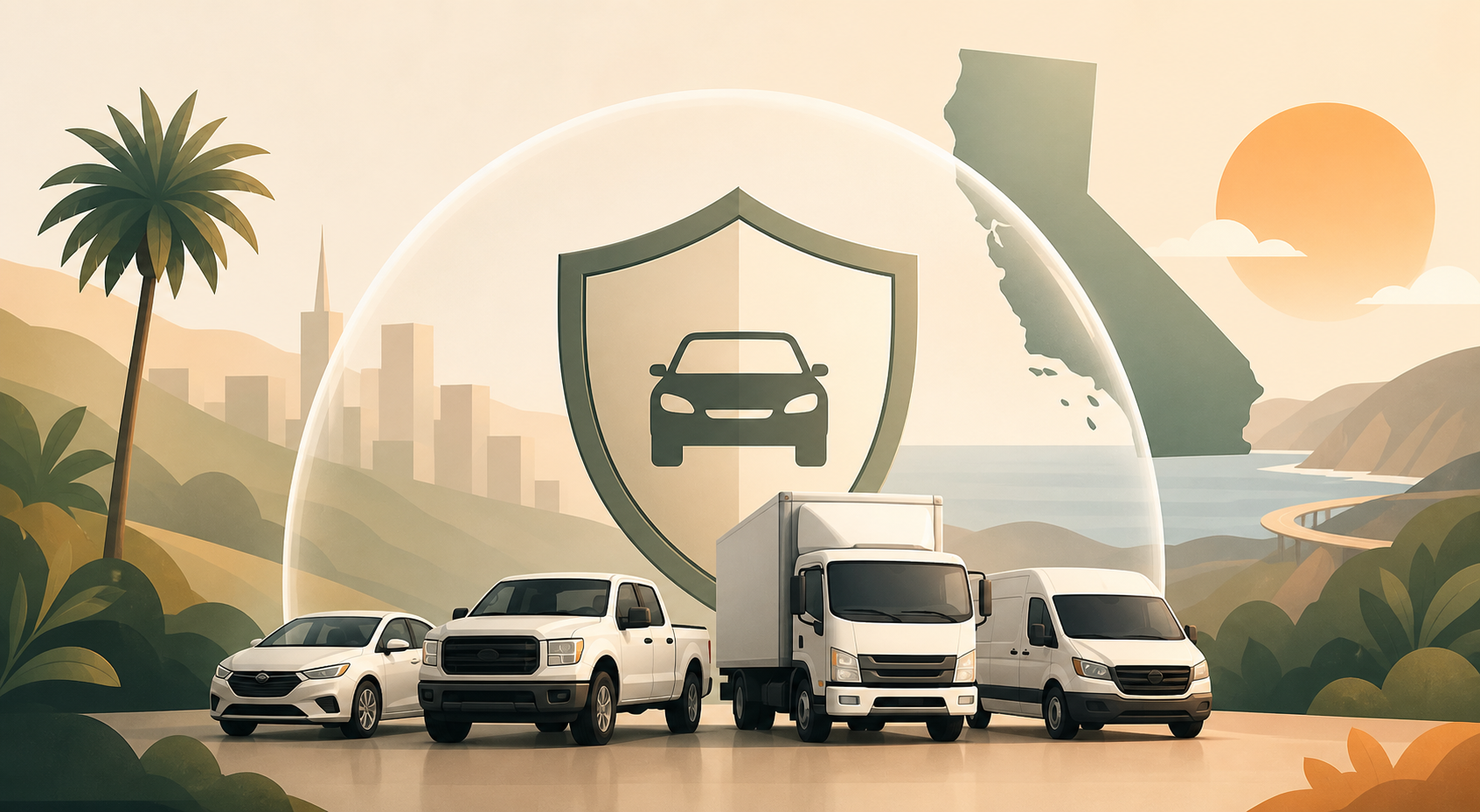
For businesses that rely on cars, vans, pickups, or heavy-duty trucks, every minute off the road can affect deliveries, service schedules, payroll efficiency, and customer satisfaction. That is why many fleet managers search for the california fleet auto insurance claims phone number as soon as an accident, theft, vandalism event, or roadside incident occurs. A fast claims response can help limit downtime, document the event correctly, and move the repair or replacement process forward.
In California, fleet insurance claims often involve added complexity compared with personal auto claims. Commercial vehicles may be driven by multiple employees, operate across long distances, carry tools or cargo, and face a wider range of liability exposures. A prompt call to the insurer’s claims department is often the first step in protecting both the business and the driver.
Businesses ranging from contractors and HVAC companies to delivery services, medical transport providers, and regional logistics fleets all benefit from having claims contact information readily available. Whether the issue is a fender-bender in Los Angeles traffic or a multi-vehicle incident on Interstate 5, knowing how to use the california fleet auto insurance claims phone number efficiently can reduce confusion during a stressful event.
What the Claims Phone Number Is Used For
The claims phone line is more than a number for reporting accidents. It is usually the gateway to the full claims handling system, including first notice of loss, assignment of a claims adjuster, vehicle towing coordination, rental guidance, repair shop direction, and status updates. For commercial fleets, the claims intake process may also involve collecting driver details, vehicle unit numbers, DOT-related information, police report references, and injury information.
When a company uses the california fleet auto insurance claims phone number, the representative may ask whether the event involves property damage only, third-party bodily injury, uninsured motorists, cargo impact, or a potentially litigated commercial liability matter. The call helps the carrier determine severity, assign resources, and document time-sensitive facts before memories fade.
Many insurers now combine phone support with digital reporting tools. Even so, phone reporting remains important because fleet incidents often require nuanced explanations that are better handled through direct conversation. A live claims intake specialist can clarify coverage questions, explain next steps, and flag urgent circumstances that need immediate escalation.
Key Information to Gather Before Calling
Calling quickly is important, but calling with accurate information is even better. Fleet managers and drivers should be trained to collect core incident details safely and consistently. This helps the insurer open the file faster and reduces the chance of delays caused by missing documentation.
- Policy number and company name
- Driver name, contact details, and license information
- Vehicle identification details, including VIN, unit number, and plate number
- Date, time, and exact location of the incident
- Description of what happened and road conditions
- Names and insurance details of other involved parties
- Photos of vehicle damage, scene conditions, and relevant signage if safe to obtain
- Police report number or responding agency details
- Injury information, if any
Having this information available when using the california fleet auto insurance claims phone number can make the intake process smoother and improve claim accuracy from the beginning. For businesses with larger fleets, it is wise to maintain a standardized accident reporting kit in every vehicle.
How California Commercial Auto Claims Differ From Personal Auto Claims
California fleet insurance claims are shaped by business use, regulatory standards, and liability exposure. Unlike a personal auto policy, a fleet policy may cover multiple vehicles under a shared program, include scheduled and unscheduled drivers, and involve employer liability considerations tied to job-related travel.
Commercial claims can also develop into more expensive matters. Repair costs for work trucks, cargo vans, and specialized vehicles are often higher than for private passenger cars. Downtime has a measurable business cost. In some situations, a damaged fleet vehicle affects contracts, appointment windows, route commitments, or field service performance.
Another factor is documentation. Businesses are expected to keep records, maintain vehicles, and supervise drivers appropriately. If an insurer examines whether the vehicle was being used within company policy or whether a driver was authorized, those details can become central to the claim. That is one reason a well-managed call to the california fleet auto insurance claims phone number is so important. The first report often shapes the timeline of the claim.
What to Expect During the Claims Reporting Process
Most carriers follow a similar framework, although exact procedures vary by insurer. Once the incident is reported, the insurer creates a claim file and assigns a claim number. Depending on severity, the file may go to a standard property damage adjuster, a commercial auto specialist, or a larger loss unit.
During the first call, expect questions about who was driving, whether anyone was injured, whether law enforcement responded, and whether the vehicle can be safely driven. If towing is needed, the insurer may give instructions immediately. If there are injuries or significant third-party damages, the file may be escalated quickly for more specialized handling.
After the initial report, the adjuster may request additional materials such as dashcam footage, telematics records, driver logs, maintenance records, witness contacts, or internal incident reports. Businesses that can provide these promptly often move through the process more efficiently.
- Initial loss is reported by phone or digital portal
- Claim number is assigned and coverage is reviewed
- Adjuster investigates facts, damages, and liability
- Repair, appraisal, total loss, or settlement steps begin
- Claim is resolved through payment, repair completion, or liability closure
Situations That Require Immediate Claims Contact
Not every scratch on a parked fleet vehicle becomes a major matter, but some incidents require urgent insurer contact. In these situations, using the california fleet auto insurance claims phone number right away is best practice.
Any crash involving injuries should be reported immediately. The same applies to incidents involving pedestrians, cyclists, hazardous road conditions, suspected fraud, hit-and-run losses, or major property damage. Vehicle theft, vandalism, fire, and weather-related damage should also be reported promptly, especially when business operations depend on quick vehicle replacement or rental coordination.
For fleets operating in dense urban regions such as San Francisco, Los Angeles, San Diego, Sacramento, and the Inland Empire, claims severity can rise quickly due to traffic congestion, expensive labor rates, and legal exposure. Delayed reporting can complicate evidence gathering and weaken a business’s ability to respond clearly to third-party allegations.
Best Practices for Fleet Managers Handling Claims Calls
Experienced fleet managers know that claims handling starts long before the accident. Companies that train drivers, centralize reporting, and maintain organized vehicle records usually have better outcomes. The goal is not only to make the call but to make it effectively.
- Create a written accident reporting procedure for all drivers
- Store policy and claims contact information in every vehicle and on mobile devices
- Use telematics and dashcams where appropriate to support factual reporting
- Document maintenance and inspections consistently
- Review claims trends to identify repeated driver or route risks
- Coordinate quickly with HR, safety, legal, and operations teams when a severe loss occurs
When the california fleet auto insurance claims phone number is used within a disciplined internal process, businesses are better positioned to reduce confusion, control loss costs, and restore operations quickly.
How Claims Response Affects Fleet Downtime and Cost Control
One of the biggest operational concerns after an accident is downtime. A vehicle sitting in a tow yard, waiting for authorization, or delayed in documentation can create hidden costs beyond the visible repair estimate. These may include overtime, missed appointments, route disruptions, substitute rentals, and reputational damage.
Prompt claims reporting can help shorten the time between incident, inspection, and repair approval. Some insurers offer commercial claims programs with preferred repair networks, dedicated large-account service teams, or streamlined total loss handling. While these programs vary, they all depend on fast first notice of loss.
Searching for the california fleet auto insurance claims phone number only after a crash can slow things down. Smart businesses keep it accessible in driver handbooks, fleet apps, dispatch systems, and glove compartments. That simple preparation can save hours when an urgent situation unfolds.
Common Questions Businesses Ask When Filing a Fleet Claim
Will one accident increase the entire fleet premium?
It can influence future pricing, but the impact depends on multiple factors, including fault, severity, claim history, fleet size, safety controls, and overall loss trends. Insurers generally evaluate the account as a whole rather than viewing one event in isolation.
Can a business choose its own repair shop?
Often yes, but insurer-approved networks may offer advantages such as faster authorization, warranty support, and easier billing coordination. Fleet managers should confirm options during the claim.
What if the employee was driving for work but used the vehicle outside company policy?
That can complicate the claim. Coverage interpretation depends on the policy language, driver status, and facts of the incident. Businesses should provide complete and accurate information during reporting.
Are telematics and dashcams useful in claims?
Very often. Time stamps, speed data, braking events, and video can support liability analysis and reduce disputes. These tools have become increasingly valuable in commercial fleet risk management.
Comparison of Fleet Claims Priorities by Incident Type
| Incident Type | Primary Claims Priority | Typical Documentation Needed | Potential Business Impact |
|---|---|---|---|
| Minor collision | Damage assessment and liability review | Photos, driver statement, third-party info | Moderate repair downtime |
| Injury accident | Immediate escalation and legal exposure management | Police report, medical details, witness data | High liability and possible litigation |
| Theft or vandalism | Recovery coordination and replacement planning | Police case number, inventory of damage or loss | Vehicle unavailability and route disruption |
| Weather damage | Coverage confirmation and repair scheduling | Photos, location records, event timing | Multi-vehicle losses during severe events |
| Total loss | Valuation and replacement timing | Vehicle records, lien details, condition history | Significant operational interruption |
Industry Trends Shaping California Fleet Claims Handling
Claims handling in commercial auto insurance is evolving quickly. Rising repair costs, advanced vehicle technology, and increased litigation have changed how insurers approach fleet losses. In California, where labor rates and replacement parts can be expensive, even moderate damage claims may cost more than businesses expect.
Another major trend is the use of analytics. Insurers increasingly rely on claims triage models to determine which losses need specialized handling early. Fleets with strong reporting practices, telematics support, and clear driver protocols are often easier to evaluate and may experience more efficient processing.
Electric vehicles are also affecting claims. As more California fleets adopt EVs for sustainability and compliance goals, repair procedures and parts availability can alter claims timelines. Specialized shops, battery inspections, and safety procedures may extend the process compared with traditional internal combustion vehicles.
These shifts make it even more important for businesses to use the california fleet auto insurance claims phone number promptly and provide complete details from the start. High-quality first notice of loss supports better triage and faster next steps.
How to Keep Claims Contact Information Ready Across the Fleet
Many companies underestimate the practical side of claims preparedness. The number should not live only in a policy binder at headquarters. Drivers, supervisors, dispatchers, and after-hours contacts should all know where to find it instantly.
A strong approach is to place claims information in several locations at once. That may include a laminated insurance card in the vehicle, a digital copy in a fleet management app, a dispatch reference sheet, and a shared internal directory for managers. For larger operations, a dedicated incident hotline may route employees first to an internal safety lead, who then contacts the insurer.
Keeping the california fleet auto insurance claims phone number accessible reduces panic and supports consistency. It also helps after-hours drivers who may be handling an incident outside normal office support.
Choosing a Fleet Insurance Provider With Strong Claims Support
Not all commercial auto insurers deliver the same claims experience. For California businesses, it is wise to evaluate claims capabilities before a loss occurs, not after. A carrier may advertise competitive premiums, but claims responsiveness often has a greater effect on long-term fleet performance.
When reviewing insurers, look at claims availability, commercial specialization, adjuster expertise, repair network access, rental or replacement support, and digital tracking tools. Ask whether the insurer offers 24/7 commercial claims intake, dedicated fleet representatives, catastrophe response, or transportation-specific risk services.
It is also worth asking your broker or agent how the insurer handles multi-vehicle losses, injury claims, and disputed liability cases. The quality of support behind the california fleet auto insurance claims phone number can determine how smoothly your business recovers from a serious event.
Reducing Future Claims Through Better Fleet Risk Management
Claims reporting is reactive, but smart fleet operations use every claim as a learning opportunity. Reviewing root causes can reveal patterns linked to distracted driving, backing accidents, route congestion, poor scheduling, fatigue, or maintenance gaps. Over time, these reviews can lower claim frequency and improve insurability.
Training is particularly important in California’s complex driving environment. Urban density, freeway congestion, wildfire smoke, rain-slick roads, and increased delivery pressure all influence risk. Businesses that reinforce defensive driving, post-accident procedures, and documentation standards often build stronger claims files and safer operations.
The california fleet auto insurance claims phone number is essential when incidents happen, but long-term performance comes from pairing that emergency contact with prevention strategies. A business that reports claims efficiently and learns from them is usually in a stronger position with insurers, customers, and employees alike.
What Businesses Should Remember During a Stressful Incident
In the moment after a crash or major vehicle loss, people tend to forget routine procedures. That is why simple, repeatable guidance matters. Drivers should focus on safety first, call emergency services when needed, avoid admitting fault, document facts carefully, and notify the company promptly. Once immediate safety concerns are addressed, contacting the insurer should follow without unnecessary delay.
For many organizations, the california fleet auto insurance claims phone number becomes one of the most important pieces of operational information they carry. It connects the business to the insurer’s response system, helps preserve evidence, starts the recovery timeline, and supports faster decision-making. In a commercial fleet environment where time, liability, and vehicle availability all matter, that single point of contact can make a meaningful difference.
By preparing drivers in advance, keeping records organized, and choosing an insurer with dependable claims support, California fleet operators can navigate accidents and losses with greater confidence. The result is not just a better claims experience, but a more resilient fleet operation overall.