Filed under Auto Insurance on
Is Commercial Auto Insurance Cheaper Than Personal
What Determines Whether Business or Personal Coverage Costs Less
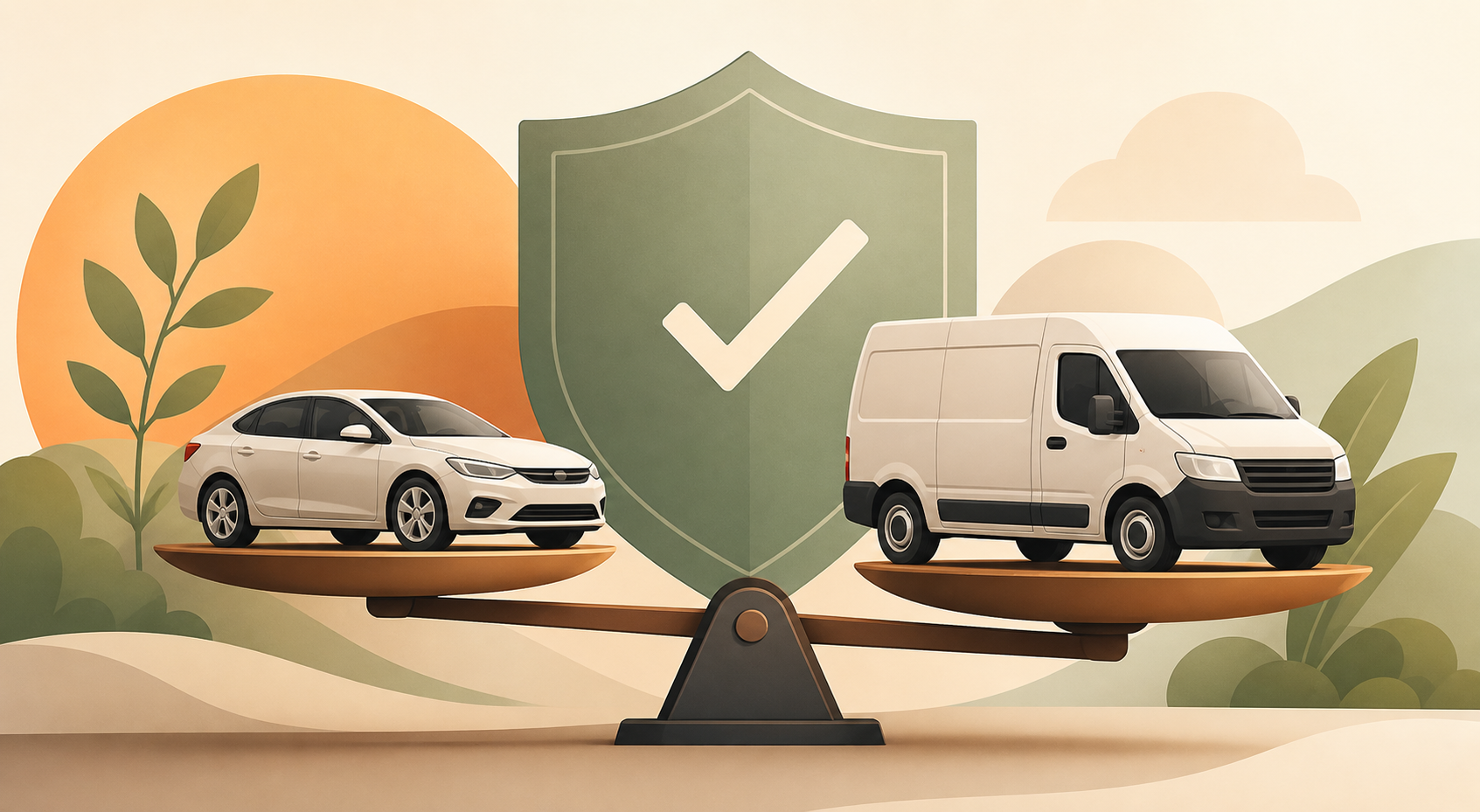
Many drivers and business owners ask the same question: is commercial auto insurance cheaper than personal? The short answer is usually no, but the real answer depends on how the vehicle is used, who drives it, what is being transported, and how much liability protection is needed. In many cases, commercial auto insurance costs more because it covers greater risk. Still, there are situations where the price gap is smaller than expected, and some businesses may find strong value in the broader protection.
Understanding the pricing difference starts with the purpose of the vehicle. Personal auto insurance is designed for commuting, errands, family travel, and other private use. Commercial auto insurance is built for vehicles used in business operations, such as transporting tools, making deliveries, visiting job sites, or carrying employees. Because business use often means more mileage, more time on the road, and higher exposure to claims, insurers typically charge higher premiums.
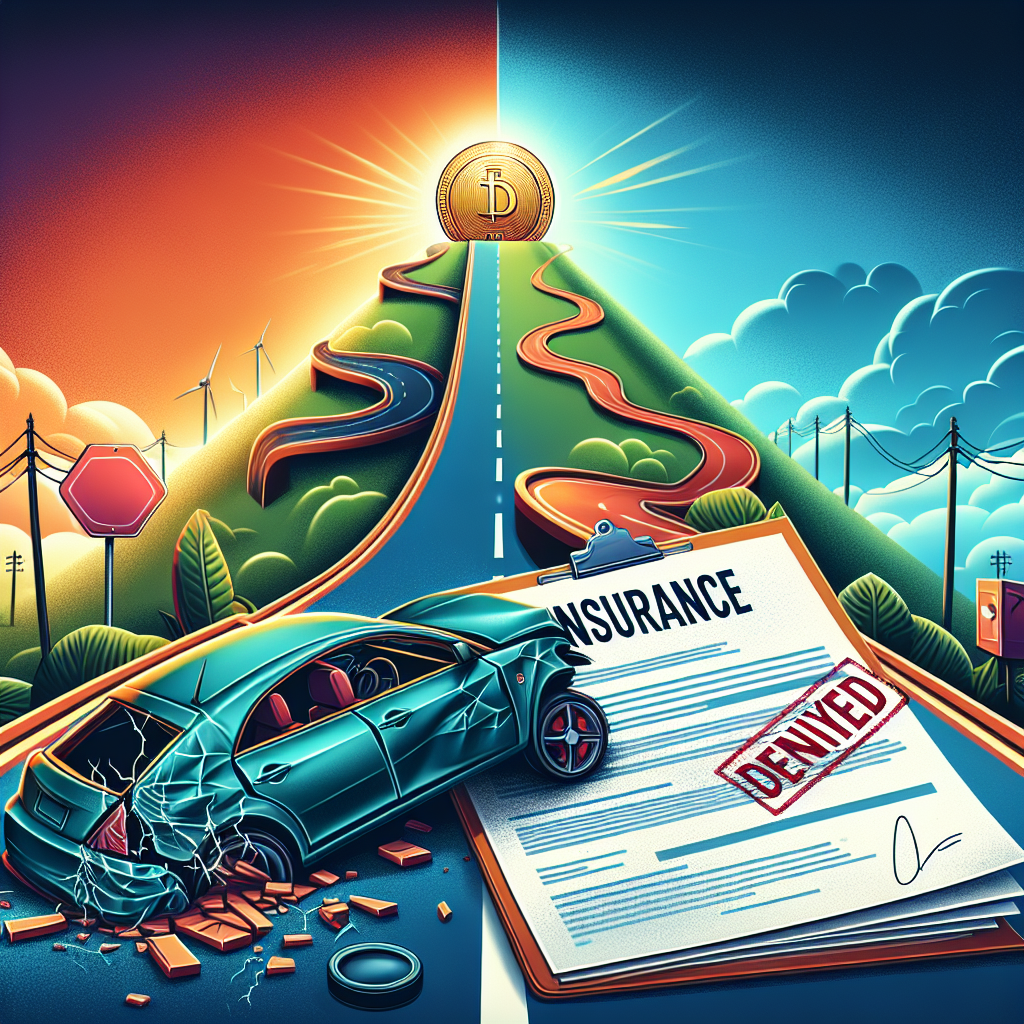
That said, asking only is commercial auto insurance cheaper than personal can be too narrow. A better question is whether commercial coverage is the right and cost-effective choice for your specific risk profile. A lower premium does not help if a claim is denied because the vehicle was insured under the wrong policy type.
Why Commercial Auto Insurance Usually Costs More
Insurers base rates on risk, and business driving often presents more of it. A vehicle used for work may be on the road during peak traffic hours, visit unfamiliar locations, or be driven by multiple employees with different driving histories. A contractor’s pickup carrying equipment, a florist’s van making deliveries, or a real estate agent’s SUV used daily for client meetings all create different insurance exposures than a car used only for personal errands.
Commercial policies also tend to offer higher liability limits. Businesses can face larger lawsuits if their vehicle causes injuries or property damage while performing work activities. For that reason, insurers often recommend or require more robust bodily injury and property damage limits than what a personal policyholder might carry. Higher limits generally mean higher premiums.
Another cost factor is vehicle type. Many commercial vehicles are larger, more specialized, or more expensive to repair. Vans, box trucks, utility vehicles, and service trucks can cost more to insure than a standard personal sedan. The value of cargo, tools, and attached equipment can also increase the insurer’s potential payout after an accident or theft.
So, is commercial auto insurance cheaper than personal in most real-world cases? Usually not. But pricing is never one-size-fits-all, and there are important exceptions.
When the Cost Difference May Be Smaller Than Expected
Not every business vehicle creates dramatically higher risk. A sole proprietor who drives a standard car occasionally for client visits may not see the same premium jump as a company operating a fleet of delivery vans. The insurer will look at annual mileage, territory, driver records, and business class. If the business use is relatively light and the driver has a clean history, the commercial premium may be higher than personal coverage, but not by a wide margin.
Some industries also benefit from relatively stable claims patterns. For example, a consultant using a personal-style vehicle for scheduled appointments may present less risk than a courier making frequent stops in urban traffic. In those cases, insurers may price commercial coverage more competitively.
Bundling can also help. Businesses that combine commercial auto with general liability, property, or business owner’s policies may receive discounts. Fleet programs, telematics, and driver safety initiatives can further improve pricing. These savings do not always make business coverage cheaper than personal, but they can narrow the gap enough to make the broader protection clearly worthwhile.
Key Differences Between Personal and Commercial Auto Policies
The cost question matters, but coverage differences matter more. A personal auto policy may exclude or limit coverage if the vehicle is primarily used for business. This is especially important for owners who assume their regular car insurance will automatically protect them during work-related driving.
Commercial policies are designed for business risk and often include flexibility that personal policies do not. They may cover multiple drivers, employee use, hired and non-owned vehicles, and specialized equipment. This broader scope is one reason the price is often higher.
| Coverage Area | Personal Auto Insurance | Commercial Auto Insurance |
|---|---|---|
| Primary use | Personal driving, commuting, family errands | Business operations, deliveries, client visits, transporting tools or staff |
| Driver structure | Usually named drivers and household members | Can include employees and multiple authorized drivers |
| Liability limits | Often moderate limits | Typically higher limits for business risk |
| Vehicle types | Private passenger vehicles | Cars, vans, pickups, service trucks, specialty vehicles |
| Business-related claims | May be excluded or restricted | Designed to cover business use |
| Optional add-ons | Rental reimbursement, roadside assistance | Hired and non-owned auto, equipment coverage, broader business endorsements |
This comparison helps answer is commercial auto insurance cheaper than personal from a practical perspective. Even when personal coverage has a lower premium, it may not offer valid protection for business activity. That makes a direct price comparison incomplete unless coverage scope is also considered.
Who Needs Commercial Auto Insurance Instead of Personal Coverage
If a vehicle is regularly used for business, commercial coverage is often the safer and more compliant option. This includes businesses with company-owned vehicles, employees who drive as part of their job, or operations involving deliveries, tools, inventory, or passengers. Even self-employed professionals may need commercial coverage depending on how the vehicle is used.
Examples of drivers who often need commercial auto insurance include:
- Contractors and tradespeople carrying tools or equipment to job sites
- Delivery drivers transporting goods, food, flowers, or packages
- Real estate agents and sales professionals driving extensively for client appointments
- Landscapers, cleaners, and mobile service providers using branded or loaded vehicles
- Businesses that allow employees to drive company vehicles
Many insurers draw a line between incidental business use and primary business use. Occasional commuting to an office is generally personal use. Regular client transport, repeated deliveries, or hauling work materials usually pushes the risk into commercial territory. If there is any doubt, policyholders should ask the insurer directly. Misclassification can lead to denied claims, canceled policies, or uncovered liability.
Factors That Have the Biggest Impact on Commercial Auto Premiums
When people ask is commercial auto insurance cheaper than personal, they often assume the policy type alone determines cost. In reality, several underwriting variables can outweigh the basic personal-versus-commercial distinction.
The most influential factors typically include driving records, annual mileage, location, and vehicle class. A business owner with an excellent driving history who operates a standard sedan in a suburban area may receive a more favorable rate than a personal driver with accidents, violations, and a high-performance vehicle in a dense city.
Insurers also examine the nature of the business. Delivery and transportation businesses usually face higher rates because of heavy road exposure and stop-and-go risk. Professional services firms may pay less if the vehicle is driven less frequently and carries minimal equipment. Credit-based insurance scores, claims history, garaging address, and deductibles can also affect pricing.
Common premium drivers include:
- Type and value of the vehicle
- How often and how far it is driven
- Number of drivers and their motor vehicle records
- Business industry and use classification
- Coverage limits, deductibles, and optional endorsements
- Geographic territory and local claim trends
This is why the answer to is commercial auto insurance cheaper than personal varies so much between one driver and another. A quote is always more useful than a general assumption.
Can Commercial Coverage Ever Be the Better Value
Yes, absolutely. Better value is not the same as lower price. A business owner may pay more for commercial auto insurance, but receive far greater protection, fewer coverage gaps, and less legal exposure. From a risk management standpoint, that can make commercial coverage the smarter financial choice.
Consider a simple example. A painter uses a van to carry ladders, sprayers, and materials to job sites. A personal policy may be cheaper upfront. But if the van is involved in an accident while on a work assignment and the insurer finds it was used primarily for business, coverage could be restricted or denied. The short-term savings would disappear quickly if the owner had to pay vehicle damage, third-party injuries, and legal costs out of pocket.
Commercial policies may also support business continuity. Features like higher liability limits, coverage for leased vehicles, and endorsements for employee drivers can protect cash flow after a loss. For growing businesses, the right policy can reduce uncertainty and support contract requirements with clients or vendors.
Industry Trends Affecting Auto Insurance Costs for Businesses
Commercial auto insurance pricing has been shaped in recent years by rising repair costs, more expensive vehicle technology, larger legal settlements, and supply chain delays. Advanced driver assistance systems can improve safety, but they also make repairs more costly after even minor collisions. Labor shortages and replacement part inflation have added pressure across the insurance market.
For commercial fleets, accident severity has become especially important. A single crash involving a work vehicle can trigger substantial bodily injury claims, property damage, and business interruption. Insurers respond by refining underwriting, increasing scrutiny around driver screening, and rewarding policyholders who use telematics and safety programs.
These market trends help explain why is commercial auto insurance cheaper than personal remains a difficult question to answer with a simple yes or no. The gap between the two policy types can expand when claim severity rises. At the same time, businesses that actively manage driver behavior and vehicle maintenance may be able to control costs more effectively than those that do not.
How to Lower Commercial Auto Insurance Without Sacrificing Protection
Business owners are not powerless when premiums rise. There are practical ways to improve affordability while keeping coverage aligned with real risk. The best approach is to combine smart shopping with operational discipline.
Strategies that often help reduce premiums include:
- Compare quotes from insurers that specialize in your industry and vehicle type.
- Review driver records regularly and remove high-risk drivers when possible.
- Increase deductibles if your business can comfortably absorb smaller losses.
- Bundle commercial auto with other business policies for package discounts.
- Install telematics or GPS-based monitoring to encourage safer driving.
- Create formal maintenance and driver safety programs.
It is also wise to review the policy each year. Businesses evolve, and so do their insurance needs. A company that starts with one car for local client meetings may later add employees, service vans, or delivery activity. Annual policy reviews help ensure the coverage still matches the actual use of each vehicle.
Questions to Ask Before Choosing Between Personal and Commercial Coverage
Drivers trying to decide between policy types should focus on usage, not just price. Asking the right questions can prevent expensive mistakes later. If you are wondering is commercial auto insurance cheaper than personal, these questions provide a more complete framework for the decision.
Ask yourself whether the vehicle is titled to a business, used to transport goods or equipment, driven by employees, or operated regularly for client meetings and revenue-generating work. Also consider whether your clients, landlord, or contracts require specific liability limits. Many businesses need higher limits than a personal auto policy would normally provide.
It is equally important to ask your insurer how they define business use. Different carriers can apply different standards. What one insurer allows under a personal policy, another may classify as commercial exposure. Clear disclosure is always the safest route.
Making the Right Choice for Cost, Compliance, and Coverage
So, is commercial auto insurance cheaper than personal? In most cases, no. Commercial coverage generally costs more because it protects against broader and often more severe business-related risks. However, the real issue is not simply whether one policy costs less than the other. It is whether the policy properly covers how the vehicle is actually used.
For private drivers with no business exposure, personal auto insurance is usually the more affordable and appropriate option. For business owners, contractors, delivery professionals, and companies with employee drivers, commercial auto insurance is often essential, even when it comes at a higher premium. The broader protection can prevent denied claims, support legal compliance, and shield the business from major financial loss.
The smartest next step is to request quotes for the correct type of use, compare coverage details carefully, and evaluate cost alongside protection. When viewed through that lens, the question is commercial auto insurance cheaper than personal becomes much easier to answer for your specific situation.