Filed under Auto Insurance on
Mazzola Auto Insurance Coverage Options Explained
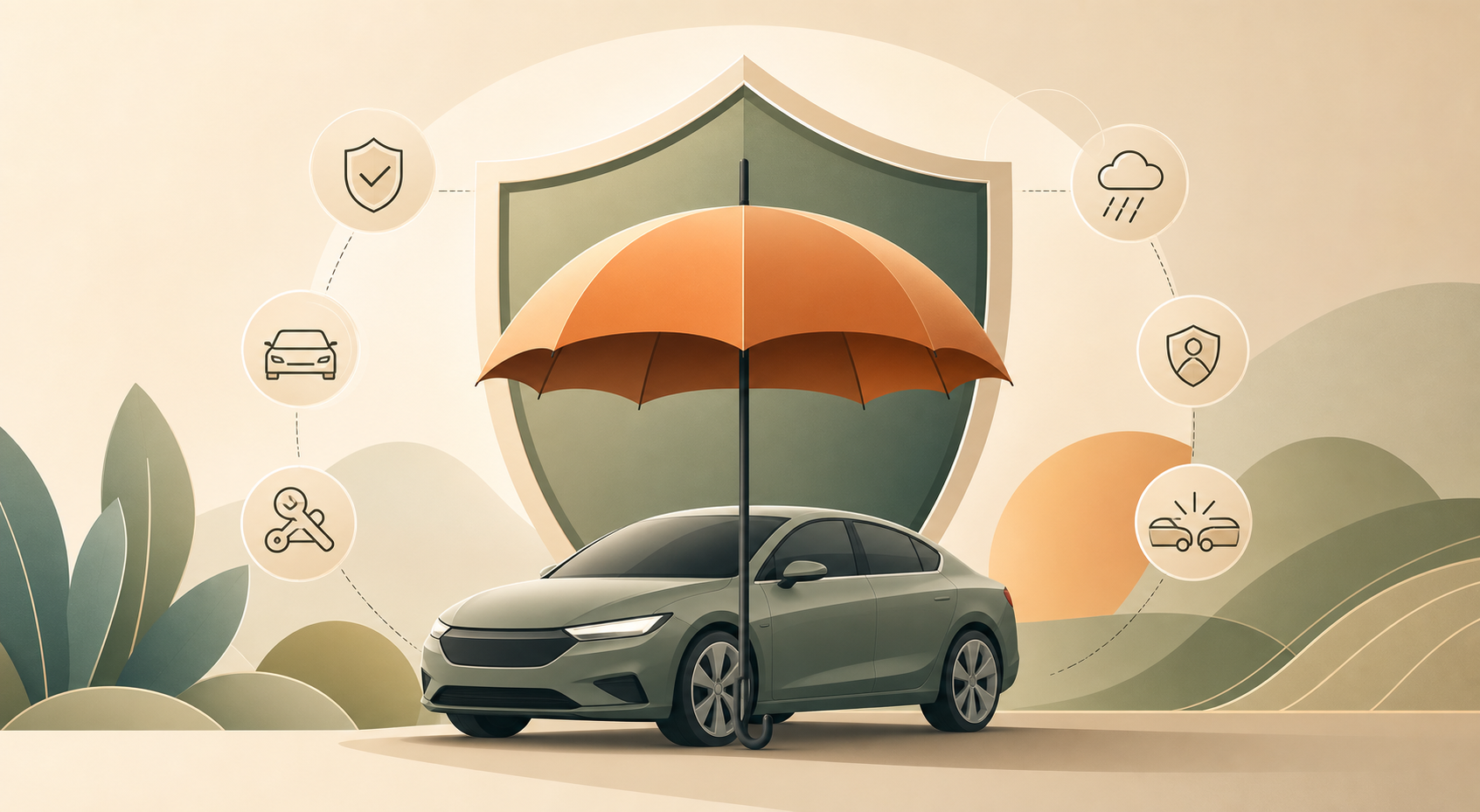
Understanding How Mazzola Auto Insurance Coverage Is Structured
Choosing the right car insurance policy is rarely as simple as picking the lowest premium. Drivers need protection that matches their vehicle, driving habits, budget, and local legal requirements. That is where understanding mazzola auto insurance coverage options becomes important. A well-built policy can help cover repair bills, liability claims, medical costs, and losses linked to theft, weather, or uninsured drivers.
Mazzola auto insurance can be evaluated the same way insurance professionals assess any quality policy offering: by looking at the core protections included, the optional endorsements available, the limits and deductibles offered, and how well those elements align with real-world risk. For drivers who commute daily, have financed vehicles, transport family members often, or live in areas with dense traffic, broad coverage can be more valuable than a low upfront premium.
Auto insurance today is also shaped by larger industry trends. Repair costs have risen due to advanced vehicle technology, parts shortages, and more expensive labor. At the same time, severe weather events and distracted driving incidents have increased claim frequency in many regions. These trends make it essential to understand not just what a policy costs, but what it actually protects.
Core Policy Types Drivers Should Know
Most auto insurance programs are built from a handful of standard coverage categories. When reviewing mazzola auto insurance, these are the protections that deserve the closest attention because they form the foundation of financial risk management for vehicle owners.
Liability Coverage
Liability insurance is required in most states and is often the starting point of any policy. It typically includes bodily injury liability and property damage liability. If you are at fault in an accident, bodily injury liability can help pay for another party’s medical expenses, lost wages, and legal claims. Property damage liability can help cover damage to another vehicle, building, fence, or other property.
Minimum state limits may satisfy legal requirements, but they may not be enough in a serious accident. Insurance experts often recommend higher liability limits for drivers with assets to protect, because major claims can quickly exceed minimum thresholds.
Collision Coverage
Collision coverage pays for damage to your own vehicle after an accident involving another car or an object such as a guardrail, pole, or tree. This protection matters most for newer vehicles, financed vehicles, and cars with strong resale value. If a driver cannot afford major out-of-pocket repair or replacement costs, collision coverage is often a practical choice.
Comprehensive Coverage
Comprehensive insurance covers non-collision losses such as theft, vandalism, fire, hail, flooding, falling objects, and some animal-related incidents. With climate-related losses and vehicle theft concerns increasing in many areas, comprehensive coverage has become more relevant for a broad range of drivers, not just owners of luxury vehicles.
Medical Payments and Personal Injury Protection
Depending on the state, policies may include Medical Payments coverage or Personal Injury Protection, commonly called PIP. These coverages can help with medical bills after an accident, regardless of fault. PIP may also extend to lost income and essential services in no-fault states. For families or drivers with frequent passengers, this type of protection can provide valuable support after an injury-related crash.
Uninsured and Underinsured Motorist Coverage
Even responsible drivers are exposed to others who carry little or no insurance. Uninsured motorist and underinsured motorist coverage help fill that gap. If another driver causes an accident and lacks sufficient liability insurance, this coverage can help with injuries and, in some cases, property damage depending on the state and policy structure. Given the number of underinsured drivers on the road, this coverage is widely viewed as a smart addition.
How Optional Add-Ons Can Improve Protection
Beyond standard protections, many policies offer endorsements that customize coverage. These extras can make mazzola auto insurance more flexible for drivers with specific needs.
- Roadside assistance for towing, jump-starts, lockout help, and flat tire service
- Rental reimbursement to help cover temporary transportation after a covered claim
- Gap coverage for financed or leased vehicles when loan balance exceeds vehicle value
- New car replacement or better car replacement options in select policy structures
- OEM parts endorsements that favor original manufacturer parts during repairs
- Accident forgiveness programs designed to reduce surcharge impact after a first qualifying accident
These add-ons are often modest in price compared with the convenience or savings they provide during a claim. For example, gap coverage can be especially important for drivers with low down payments or long loan terms, since depreciation can outpace loan payoff in the first years of ownership.
Comparing Major Coverage Options at a Glance
| Coverage Type | What It Typically Covers | Who May Benefit Most | Key Consideration |
|---|---|---|---|
| Liability | Damage or injuries you cause to others | All drivers, especially those meeting state requirements | Low limits may leave personal assets exposed |
| Collision | Damage to your vehicle after an impact | Owners of newer, financed, or higher-value cars | Deductible affects claim payout and premium |
| Comprehensive | Theft, weather damage, vandalism, animal strikes | Drivers in theft-prone or severe weather regions | Especially useful when replacement cost is high |
| PIP or Medical Payments | Medical expenses after covered accidents | Families, frequent passengers, no-fault state drivers | Coverage rules vary by state |
| Uninsured/Underinsured Motorist | Costs from at-fault drivers with little or no insurance | Drivers in areas with high uninsured rates | Can be critical when severe injuries occur |
Choosing Coverage Limits and Deductibles Wisely
A policy is only as effective as its limits and deductible structure. While many drivers focus primarily on monthly premium, insurance professionals recommend evaluating the potential out-of-pocket exposure after an accident. This is where mazzola auto insurance decisions become more strategic than simple price shopping.
Higher liability limits generally increase premiums, but they also provide stronger financial protection against lawsuits and major claims. For collision and comprehensive coverage, a higher deductible can reduce premium costs. However, choosing too high a deductible may create financial strain if a claim occurs unexpectedly.
The right balance depends on cash reserves, vehicle value, and risk tolerance. A driver with emergency savings may be comfortable with a higher deductible. A household with tighter cash flow may prefer a lower deductible to avoid large surprise expenses after an accident or weather event.
As a practical rule, many advisors suggest selecting a deductible amount that could be paid without borrowing, while setting liability limits high enough to protect current income and assets. That balance tends to create a policy that is both affordable and resilient.
What Affects the Cost of Auto Insurance
Premiums are influenced by much more than the vehicle alone. Insurers evaluate multiple variables to estimate claim risk and pricing fairness. Understanding these factors can help drivers assess whether a quote is competitive and where savings opportunities may exist.
- Driving history, including accidents, violations, and prior claims
- Vehicle type, age, repair costs, safety features, and theft rates
- Location, including traffic density, weather exposure, and crime levels
- Annual mileage and commute patterns
- Age, experience, and in some regions credit-based insurance factors
- Chosen limits, endorsements, and deductibles
Vehicles equipped with advanced driver assistance systems can reduce some risks, but they can also raise repair costs. That is one reason premiums on newer cars do not always decline even when safety technology improves. Similarly, urban drivers may pay more due to heavier traffic and higher claim frequency, while rural drivers may face different risks such as animal collisions or longer towing distances.
For anyone comparing mazzola auto insurance with other policy options, premium should be reviewed alongside claims support, coverage flexibility, deductible choices, and discount eligibility.
Discount Opportunities That Can Improve Value
Auto insurance discounts can make a meaningful difference in long-term affordability. While available savings vary by carrier and state, drivers should look beyond the headline quote and ask which discounts can be layered into the policy.
Common discounts may include safe driver savings, multi-policy bundling, multi-vehicle coverage, paperless billing, automatic payment enrollment, good student status, defensive driving course completion, and low-mileage usage. Some insurers also reward loyalty or offer telematics-based discounts that track driving behavior such as braking, acceleration, and time of day on the road.
These programs can be useful, but they should be reviewed carefully. Telematics may reduce premiums for consistently safe drivers, yet the benefit depends on actual driving patterns. For households with late-night driving, heavy commuting, or frequent hard braking in urban traffic, savings may vary.
When evaluating mazzola auto insurance, the strongest value often comes from combining the right coverage structure with discounts that fit the driver’s profile naturally, rather than altering normal habits solely to chase a lower rate.
How Claims Handling Shapes the Real Value of a Policy
The true test of any insurance product comes after an accident, theft, or weather loss. A policy can look attractive on paper, but responsive claims handling is what turns coverage into practical support. Drivers should consider whether the insurer offers streamlined reporting, digital documentation, repair network support, claim status updates, and reasonable settlement practices.
Fast claims response can reduce disruption significantly. For example, a policyholder dealing with hail damage may need quick inspection scheduling and repair coordination. After a collision, access to approved repair shops and rental reimbursement can directly affect how quickly life returns to normal.
Customer service matters here as much as price. Industry research consistently shows that policyholders value clarity, speed, and communication during claims more than small differences in premium. A lower-cost policy can feel expensive if the claim process is slow or confusing. That is why assessing mazzola auto insurance should include service quality as part of the decision, not as an afterthought.
Coverage Strategies for Different Types of Drivers
Not every driver needs the same protection. The ideal policy structure changes based on vehicle age, ownership status, lifestyle, and financial goals.
Drivers With New or Financed Vehicles
Newer cars usually benefit from collision and comprehensive coverage, and gap insurance may be important if the vehicle is leased or financed. High repair costs, sensor calibration expenses, and rapid early depreciation make broader protection more valuable.
Drivers With Older Paid-Off Cars
For older vehicles with lower market value, dropping collision or comprehensive coverage may sometimes be reasonable if the cost of coverage approaches the car’s value over time. The key is to compare annual premium against realistic replacement cost and personal ability to absorb a loss.
Families With Teen Drivers
Households adding younger drivers often experience premium increases due to higher statistical risk. In these cases, strong liability limits are especially important. Good student discounts, driver training, and selecting vehicles with strong safety ratings can help manage costs.
Frequent Commuters and Rideshare Users
Drivers who spend more time on the road face increased exposure. More mileage generally means more opportunity for accidents. If a vehicle is used for rideshare or delivery activity, standard personal auto coverage may not fully apply during all phases of use. Specialized endorsements or hybrid commercial coverage may be needed.
Questions to Ask Before Selecting a Policy
Before purchasing or renewing coverage, it helps to clarify a few points that often affect value more than expected.
- Are the liability limits high enough to protect income and assets?
- Would I be able to pay the deductible comfortably after a sudden loss?
- Does the policy include uninsured or underinsured motorist protection?
- Is rental reimbursement necessary for my daily transportation needs?
- Would gap coverage matter if my vehicle were totaled today?
- Are there exclusions or usage restrictions that could affect a future claim?
These questions create a more informed buying process and reduce the chance of discovering coverage gaps only after an accident. They also make comparing mazzola auto insurance against alternative offers far more precise.
Why Policy Reviews Matter as Life Changes
Auto insurance should not be treated as a set-it-and-forget-it product. Changes in address, commute length, marital status, vehicle ownership, credit profile, household drivers, and annual mileage can all affect both premium and coverage needs. A policy that made sense two years ago may no longer be the most effective fit today.
Annual reviews are especially useful after major life events. Moving to a different ZIP code can change theft risk and accident frequency. Paying off a car loan may alter decisions about optional coverages. Adding a teen driver may require reevaluating liability limits and deductible choices. Even working remotely more often can affect usage and pricing.
Regular reviews also create opportunities to identify newly available discounts or product features. In a market where claim costs and underwriting models evolve frequently, staying proactive is often the best way to preserve both affordability and meaningful protection.
Making a Smarter Decision About Auto Insurance Protection
The best car insurance policy is not simply the cheapest one. It is the one that protects against major financial loss, fits the vehicle and household realistically, and performs reliably when a claim happens. A smart evaluation of mazzola auto insurance should look at core coverage, optional endorsements, deductibles, claims support, and pricing in one complete picture.
Drivers who understand liability, collision, comprehensive, medical, and uninsured motorist coverage are in a stronger position to choose confidently. They are also better equipped to recognize when a policy is underbuilt for their risks or overpriced for the value offered. In today’s environment of rising repair bills and more complex driving risks, informed coverage decisions matter more than ever.
Whether the goal is legal compliance, broader peace of mind, or protection for a new vehicle, the right approach is thoughtful comparison and periodic review. With that strategy, mazzola auto insurance can be assessed not just as a quote, but as a practical financial safeguard built around real driving needs.