Filed under Auto Insurance on
Blue Cross Blue Shield Auto Insurance Guide

Understanding the Confusion Around Blue Cross Blue Shield and Auto Coverage
Many consumers search for blue cross blue shield auto insurance because the Blue Cross Blue Shield name is one of the most recognized brands in the United States. Since it is strongly associated with health coverage, people often assume the company may also sell other types of protection, including car insurance. That assumption is understandable, but it creates confusion that can lead drivers down the wrong path when they are comparing policies.
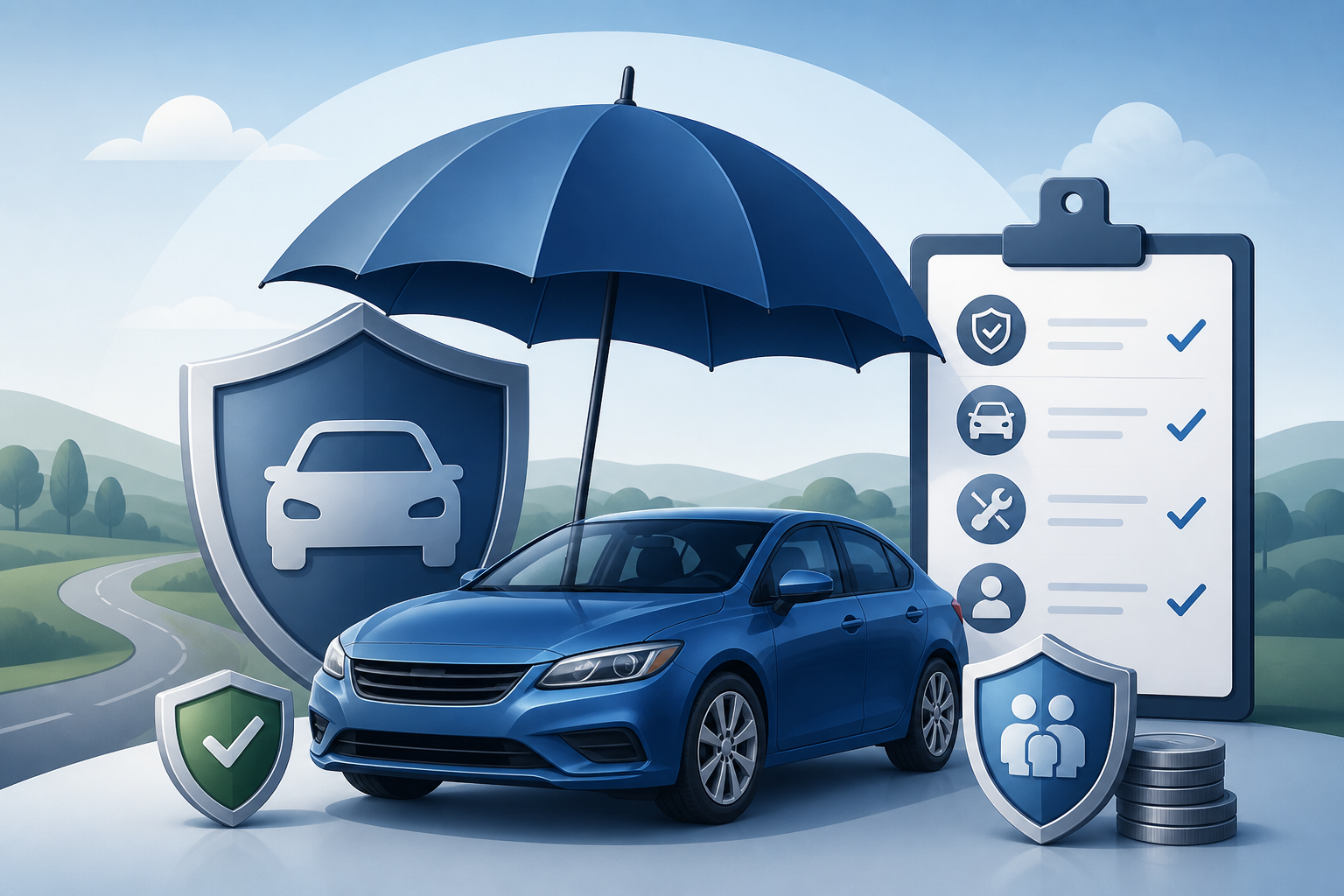
Blue Cross Blue Shield is primarily known for health insurance and related healthcare plans. In most cases, it is not a direct auto insurer in the way companies like GEICO, State Farm, Progressive, or Allstate are. If you are looking for vehicle coverage, it is important to separate health insurance benefits from standard auto insurance protections such as liability, collision, comprehensive, uninsured motorist coverage, and medical payments coverage.
This distinction matters because drivers need to know where healthcare coverage ends and where auto coverage begins. While health insurance can help pay for certain medical treatments after a crash, it does not replace an auto policy designed to protect you from legal liability, damage to your vehicle, theft, weather losses, and other road-related risks.
What People Usually Mean When Searching for Blue Cross Blue Shield Auto Insurance
When people look up blue cross blue shield auto insurance, they are often trying to answer one of several questions. Some want to know whether Blue Cross Blue Shield offers car insurance directly. Others want to understand whether health coverage from Blue Cross Blue Shield can help after an accident. A third group may be searching for member discounts, bundled financial products, or partner programs connected to insurance marketplaces.
In practical terms, Blue Cross Blue Shield plans typically focus on medical benefits, not vehicle coverage. However, your health plan may still play a role after an accident by helping cover emergency care, surgery, rehabilitation, doctor visits, or hospital stays, subject to deductibles, copays, network rules, and coordination of benefits. That role can be important, but it is not the same thing as holding an auto policy.
Understanding the difference can save time and help you compare insurance options more accurately. If your goal is full financial protection on the road, you will usually need a separate auto insurance policy from an insurer licensed to offer vehicle coverage in your state.
How Health Insurance and Auto Insurance Work Together After a Car Accident
A car accident can trigger multiple insurance claims at once. Your auto policy may address bodily injury liability, property damage liability, collision repairs, rental reimbursement, and medical payments depending on the coverages you selected. At the same time, your health insurance may help with treatment costs if you are injured.
That is where the search for blue cross blue shield auto insurance often begins. People want to know which policy pays first. The answer depends on state law, fault rules, policy language, and whether personal injury protection or medical payments coverage applies.
In no-fault states, personal injury protection may cover medical expenses first, regardless of who caused the accident. In fault-based states, the at-fault driver’s liability insurance may ultimately be responsible, but your own coverage and health plan may still pay initially while fault is being determined. In some situations, your health insurer may seek reimbursement later through subrogation if another insurer was legally responsible.
This coordination can be complex, which is why it helps to review both your health benefits and your auto declarations page carefully. A common mistake is assuming a strong health plan eliminates the need for robust auto coverage. It does not. Health insurance generally does not pay to repair your car, defend you in a lawsuit, or reimburse another driver’s property damage.
Key Differences Drivers Should Know
- Health insurance covers medical treatment under the terms of your plan, but it does not replace auto liability coverage.
- Auto insurance can pay for vehicle damage, legal claims, roadside risks, and other losses unrelated to medical care.
- Deductibles, copays, policy limits, and provider networks can affect what your health plan pays after an accident.
- State-required auto coverage minimums may be far below what experts recommend for serious accidents.
Does Blue Cross Blue Shield Sell Car Insurance Directly?
For most consumers, the answer is no. Blue Cross Blue Shield organizations are generally health insurance providers or health plan administrators. They are not typically marketed as direct providers of private passenger car insurance. Because the Blue Cross Blue Shield system includes many independent and locally operated companies, offerings can vary by state and affiliate. Even so, auto coverage is not the brand’s core product category.
That said, some member organizations, associations, brokers, or partner platforms connected to health insurance ecosystems may promote discounts or referrals for financial services, including insurance products from third parties. If you find a page or advertisement referencing blue cross blue shield auto insurance, it is wise to verify whether the offer is direct coverage from a licensed auto insurer, a member perk, or a referral arrangement.
Always look for the actual underwriting company, policy terms, and state licensing information before purchasing. The insurer that underwrites the policy is the company assuming risk and handling claims, and that is the name that matters most when evaluating financial strength and service quality.
What Coverage You Actually Need for Your Vehicle
If your search started with blue cross blue shield auto insurance but your real need is dependable car coverage, it helps to focus on the components of a solid auto policy. The right mix depends on your state requirements, your vehicle value, your finances, your driving habits, and your tolerance for risk.
Most drivers should begin with liability insurance, which is required in nearly every state. This protects you if you cause injuries or property damage to others. Beyond minimum liability limits, many experts recommend adding collision and comprehensive coverage if your vehicle has significant value or if you could not easily afford repairs or replacement out of pocket.
Medical payments coverage or personal injury protection can also be useful, especially if you want another layer of support for accident-related healthcare costs. Uninsured and underinsured motorist coverage is especially important because many drivers either carry low limits or no insurance at all, despite legal requirements.
| Coverage Type | What It Pays For | Why It Matters |
|---|---|---|
| Liability | Injuries and property damage you cause to others | Required in most states and protects your assets |
| Collision | Damage to your car after a crash | Helps repair or replace your vehicle regardless of fault |
| Comprehensive | Theft, vandalism, hail, fire, animal strikes, and non-collision damage | Protects against common risks beyond accidents |
| Medical Payments or PIP | Medical expenses for you and passengers | Can work alongside health insurance after an accident |
| Uninsured or Underinsured Motorist | Losses caused by drivers with little or no insurance | Provides critical protection in serious crashes |
How to Compare Auto Insurance If You Started With the Wrong Search Term
It is common for consumers to begin with a familiar brand name, especially one as well-known as Blue Cross Blue Shield. If you searched for blue cross blue shield auto insurance but discovered you need a separate insurer, the next step is building a smart comparison process.
Price is important, but it should not be the only factor. Claims handling, complaint trends, digital tools, available discounts, repair network quality, and customer support all affect long-term value. A cheap policy can become expensive if coverage is weak or claim service is frustrating when you need help most.
Ask each insurer for the same liability limits and deductibles so you can compare quotes fairly. If one quote is significantly lower, review the details closely. It may reflect stripped-down coverage, limited endorsements, or reduced limits that leave you exposed after a serious accident.
Smart Comparison Factors
- Check financial strength and claims reputation.
- Compare identical coverage limits and deductibles.
- Review available discounts for safe driving, bundling, low mileage, or telematics.
- Ask about rental reimbursement, roadside assistance, and OEM parts coverage.
- Read how the insurer handles total loss valuation and accident forgiveness.
Can Your Health Plan Lower Out-of-Pocket Costs After an Accident?
Although blue cross blue shield auto insurance is not usually a direct auto product, a Blue Cross Blue Shield health plan may still influence your total financial exposure after a collision. If you are injured, your health plan can potentially help cover hospitalization, diagnostics, specialist visits, physical therapy, and follow-up care. That support can be meaningful, especially in severe accidents where medical bills rise quickly.
However, your out-of-pocket costs can still be substantial. Deductibles, coinsurance, out-of-network charges, and denied claims can create financial pressure. In addition, your health insurance will not help with your car repairs, rental car costs, towing, damage to someone else’s property, or liability lawsuits brought against you.
This is why many insurance professionals recommend viewing health insurance and auto insurance as complementary, not interchangeable. One supports your healthcare needs. The other protects your driving-related financial risk.
Recent healthcare and insurance trends also highlight the need for this broader view. Medical inflation, higher vehicle repair costs, and increased severity of claims have all put pressure on insurance systems. Advanced driver assistance systems, sensors, and camera-equipped bumpers make even minor repairs more expensive than many drivers expect. A strong auto policy can help offset these rising costs more effectively than relying on health coverage alone.
Common Misunderstandings About Blue Cross Blue Shield Auto Insurance
Several myths continue to circulate online, and clearing them up can help consumers make better decisions.
The first misunderstanding is that a health insurance brand automatically extends into all major insurance categories. In reality, insurers often specialize. A company known for health insurance may have no direct role in underwriting your car policy.
The second misconception is that if your health plan covers accident injuries, you do not need medical-related auto coverage. In truth, personal injury protection or medical payments coverage can fill important gaps, pay faster in some situations, and cover passengers who may not be on your health plan.
The third misconception is that state minimum auto insurance is enough. It usually is not. Minimum limits may satisfy legal requirements, but they can be quickly exhausted in a serious accident involving multiple vehicles, injuries, or costly property damage.
If your original search was for blue cross blue shield auto insurance, the better takeaway is this: use your health plan as one layer of protection, but build an auto policy that stands on its own.
How Member Discounts and Affinity Programs May Fit In
Some people searching for blue cross blue shield auto insurance are really looking for savings connected to memberships, employer benefits, or affiliated organizations. In certain situations, health plan members may have access to discount marketplaces or partner offers. These can include wellness products, financial services, and occasionally insurance-related promotions.
If you encounter one of these programs, evaluate it like any other offer. A member discount can be helpful, but a discounted policy is only valuable if the underlying coverage is strong. Look beyond the promotional rate and review the insurer’s complaint record, claims process, and policy language.
It is also worth remembering that discounts vary by state, driving history, age, vehicle type, and credit-based insurance factors where permitted by law. A partner discount might not beat the best quote available through direct shopping. Use it as one comparison point, not the only one.
Best Practices for Building a More Protective Insurance Strategy
Drivers often think about insurance in silos, but the best protection comes from coordinating multiple policies. If you have health coverage through Blue Cross Blue Shield and a separate auto policy, review them together at least once a year. Confirm your deductibles, understand which insurer may pay first after an accident, and make sure your emergency contacts and claim procedures are current.
You should also revisit your liability limits when your income, assets, or family responsibilities grow. A policy that looked adequate five years ago may be far too small today. For households with significant assets, umbrella insurance can add another layer of liability protection above auto and home policies.
In addition, keep documentation accessible. Store your insurance cards, roadside numbers, and claim instructions in your vehicle and on your phone. After an accident, quick access to the right information can reduce stress and speed up the claims process.
Practical Steps to Take Today
- Review your health plan benefits for emergency care, hospitalization, and rehabilitation coverage.
- Check your auto liability limits and raise them if they are close to state minimums.
- Consider uninsured motorist, collision, and comprehensive coverage if they fit your risk profile.
- Compare multiple auto insurers rather than relying on one familiar brand search.
- Ask whether medical payments coverage or personal injury protection would reduce financial gaps after a crash.
Questions to Ask Before You Buy Any Auto Policy
Once you move beyond the phrase blue cross blue shield auto insurance and begin evaluating actual auto insurers, the right questions can reveal the true quality of a policy. Ask how claims are reported, how repairs are approved, whether you can choose your own repair shop, and how rental reimbursement works. These details matter more than most buyers realize.
You should also ask how accident forgiveness is earned, whether rate increases follow not-at-fault accidents, and what discounts remain in place after a claim. If you drive infrequently, ask about low-mileage options. If you are comfortable with app-based monitoring, telematics may offer savings, though privacy and driving-score implications should be considered carefully.
Finally, make sure you understand exclusions. Every policy has them. Flooded roads, custom parts, commercial use, rideshare driving, and excluded household drivers can all create claim disputes if not addressed upfront.
Making Sense of the Search and Choosing the Right Protection
The phrase blue cross blue shield auto insurance reflects a real consumer need, even if the product itself is often misunderstood. People want simple, reliable protection that covers them after an accident. The key is recognizing that health insurance and auto insurance serve different purposes, and most drivers need both types of coverage working together.
If you have a Blue Cross Blue Shield health plan, it may help with medical treatment after a crash. But for legal liability, vehicle damage, theft, weather events, and road-related financial risk, you will generally need a separate auto insurance policy from a licensed car insurer. Knowing that difference puts you in a stronger position to shop intelligently and avoid costly gaps.
The smartest approach is to treat your search for blue cross blue shield auto insurance as a starting point, not an endpoint. Use it to clarify your needs, compare reputable auto insurers, strengthen your liability limits, and coordinate your health and auto benefits. That way, if an accident happens, you are not relying on assumptions. You are relying on a coverage strategy that is built to respond.