Filed under Auto Insurance on
Carolinas Home and Auto Insurance Guide
Why Coverage Needs in North and South Carolina Are Different
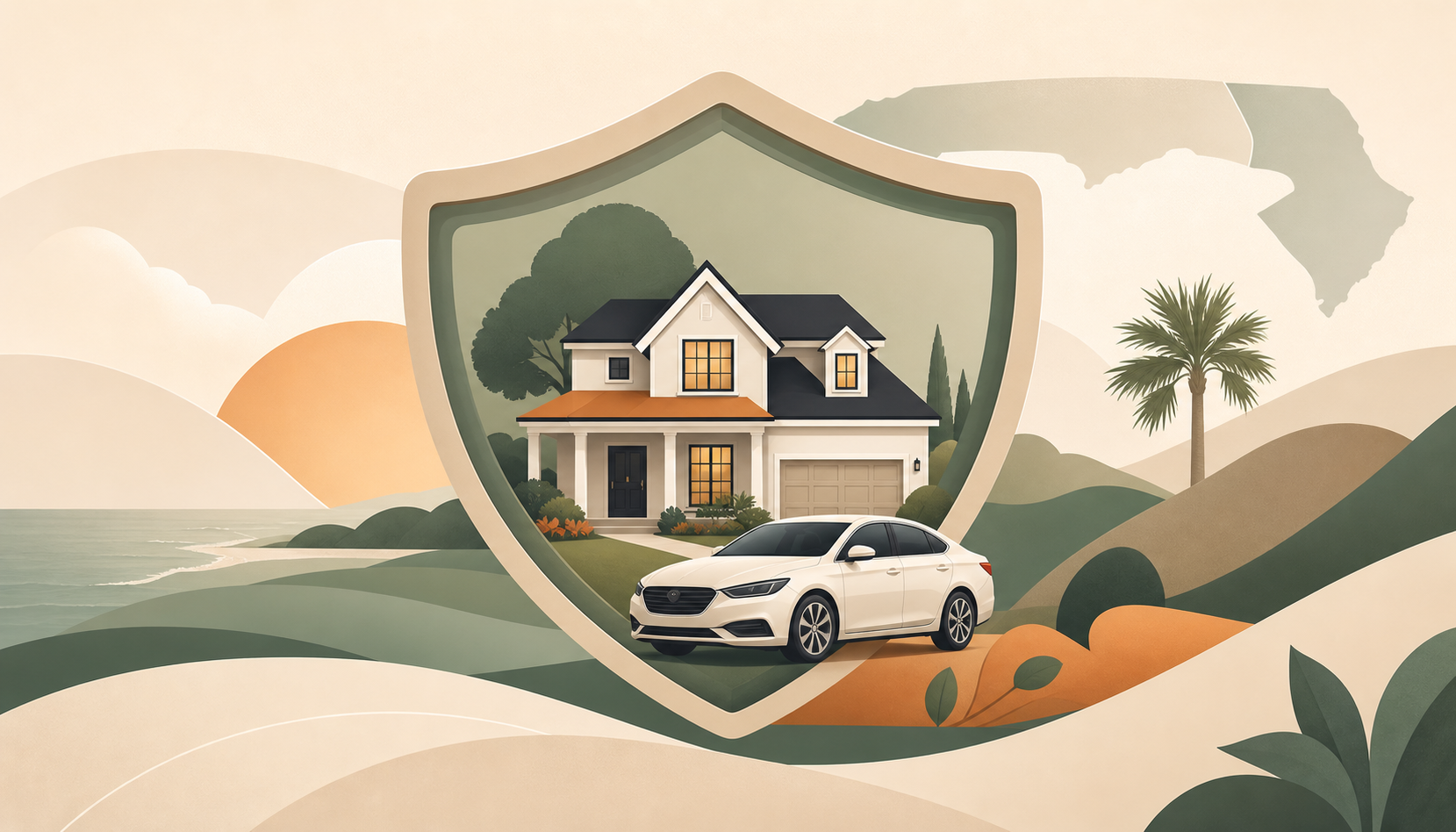
Finding the right carolinas home and auto insurance policy starts with understanding the region itself. North Carolina and South Carolina share geography, weather risks, and fast-growing housing markets, but insurance rules, pricing factors, and claim patterns can vary in meaningful ways. Homeowners near the coast often face hurricane and flood exposure, while inland drivers may be more affected by congestion, storm damage, deer collisions, and rising repair costs.
Because of these local differences, insurance in the Carolinas is not a one-size-fits-all purchase. A policy that works well for a Charlotte suburban household may fall short for a Wilmington beach property owner or a driver commuting daily through Greenville. The best approach is to compare protection based on your property type, vehicle use, ZIP code, deductible tolerance, and long-term financial goals.
Many households also benefit from bundling. Combining home and auto coverage with one carrier can simplify billing, improve service coordination during major weather events, and often unlock premium discounts. That is one reason many shoppers begin their search with carolinas home and auto insurance bundles instead of buying separate policies.
What Home Insurance Typically Covers in the Carolinas
A standard homeowners policy usually protects the structure of your home, detached structures, personal belongings, liability exposure, and additional living expenses if a covered event makes the home temporarily uninhabitable. In the Carolinas, covered losses often include fire, theft, wind, hail, and certain types of water damage, depending on the exact policy language. However, one of the most important details for regional homeowners is what is not covered.
Flooding is a major example. Standard home insurance generally does not cover flood damage, even though coastal storms and heavy rainfall can create severe losses well beyond beachfront areas. Homeowners in low-lying inland communities can face flood risk too. This gap is especially relevant when shopping for carolinas home and auto insurance because many buyers mistakenly assume a hurricane-related loss is automatically fully covered under their home policy.
Core protections to review before you buy
Before selecting a policy, look closely at the following components:
- Dwelling coverage, which should reflect realistic rebuilding costs rather than the home's market value
- Personal property limits for furniture, electronics, clothing, and valuables
- Liability coverage to protect against lawsuits tied to injuries or property damage
- Loss of use coverage for hotel, meal, and relocation costs after a covered claim
- Separate deductibles for hurricane or wind losses, which are common in coastal areas
Replacement cost coverage is often worth prioritizing over actual cash value when possible. Construction costs, labor shortages, and material inflation have pushed rebuild expenses higher across both states. If your policy limits have not been updated in a few years, you may be underinsured without realizing it.
How Auto Insurance Works Across the Carolinas
Auto insurance requirements differ by state, which makes comparison important if you recently moved or insure vehicles garaged in multiple locations. Liability limits, uninsured motorist provisions, and rating models can all affect what you pay and how protected you are after a crash. A strong carolinas home and auto insurance strategy should align your auto policy with local traffic conditions, vehicle value, and your assets.
Basic auto policies generally include liability coverage for bodily injury and property damage you cause to others. Many drivers also add collision and comprehensive coverage to protect their own vehicles. Comprehensive is particularly useful in the Carolinas because it helps with non-collision losses such as hail, falling branches, theft, vandalism, and animal strikes. In storm-prone areas, that extra layer can be highly valuable.
Recent insurance industry trends also point to rising auto premiums nationwide due to more expensive vehicle technology, costlier repairs, larger bodily injury settlements, and continued claims inflation. Even safe drivers may notice higher rates at renewal. This makes it especially important to revisit coverage choices, discounts, and deductibles regularly rather than auto-renewing year after year.
Key auto protections worth considering
Many drivers focus only on the legally required minimums, but that can leave serious financial gaps. Consider these common upgrades:
- Higher liability limits if you own a home or have savings to protect
- Uninsured and underinsured motorist coverage for accidents involving inadequately insured drivers
- Medical payments coverage for immediate injury-related costs
- Rental reimbursement and roadside assistance for convenience after breakdowns or accidents
- Gap coverage if you lease or owe more than the car is worth
If you have teen drivers, multiple vehicles, or long commutes, those factors should shape the way you compare policies. A low premium can become expensive quickly if the policy creates high out-of-pocket costs when a claim happens.
Bundling Home and Auto Coverage for Better Value
For many households, bundling is the most practical way to manage carolinas home and auto insurance. Insurers commonly offer multi-policy discounts that reduce the total premium compared with buying each policy separately. Savings vary by carrier, but the discount can be significant enough to justify getting quotes from insurers that specialize in both lines.
Bundling can also streamline service. If a major storm damages both your roof and your vehicle, having one insurer may make claims handling more efficient. It does not guarantee a perfect experience, but it often reduces administrative friction. Some carriers also provide a single online portal, one bill, and coordinated policy reviews, which helps busy households stay on top of renewals and endorsements.
Still, bundling is not always the cheapest or best option. A niche home insurer may offer better coastal property terms, while a different auto carrier may rate your driving profile more favorably. The smartest move is to compare bundled and unbundled options side by side rather than assuming package pricing always wins.
Regional Risks That Shape Premiums and Policy Design
Insurers price coverage based on probability and severity of loss. In the Carolinas, weather is a major factor. Hurricane exposure influences home insurance costs in many coastal and near-coastal ZIP codes, while hail and wind events affect broader inland areas too. Auto policies can also reflect storm-related claims, traffic density, theft trends, and local litigation patterns.
Population growth in cities and suburbs across both states has increased road use and, in many places, home values. More cars on the road can mean more accident exposure. Higher home values and construction costs can increase the amount of dwelling coverage needed. These shifts have made policy reviews more important than ever for households seeking dependable carolinas home and auto insurance.
Another factor is rebuilding complexity. Homes in high-risk zones may need specialized materials, code upgrades, or wind mitigation improvements. Those details can affect both premiums and eligibility. On the auto side, newer vehicles with sensors, cameras, and advanced safety systems may reduce some accident frequency, but even minor repairs can be more expensive.
Common risk factors insurers evaluate
- Distance from the coast and local wind or hail history
- Flood zone status and drainage patterns
- Home age, roof condition, and construction type
- Credit-based insurance score where permitted
- Driving history, annual mileage, and garaging location
- Vehicle type, claim history, and anti-theft features
Understanding these variables helps explain why one household's premium may look very different from a neighbor's, even if the homes or vehicles appear similar at first glance.
Comparing Policy Options Side by Side
When evaluating carolinas home and auto insurance, it helps to look beyond the monthly premium. A lower upfront price may come with higher deductibles, more exclusions, weaker claims support, or lower liability limits. The goal is not simply to find cheap insurance. It is to find efficient protection that fits your risk profile and budget.
| Coverage Area | Standard Protection | Often Added in the Carolinas | Why It Matters |
|---|---|---|---|
| Home | Dwelling, personal property, liability, loss of use | Flood insurance, windstorm endorsements, higher replacement cost | Weather-related losses can create major out-of-pocket gaps |
| Auto | Liability, uninsured motorist, optional collision and comprehensive | Rental reimbursement, roadside assistance, gap coverage | Storm claims, commute exposure, and repair costs are rising |
| Bundled Policies | Single insurer for home and auto | Multi-policy discount, account simplification | Can improve value and ease of policy management |
Use this type of comparison when reviewing quotes. Look for consistency in coverage limits before deciding which offer is truly the better value. Two quotes with the same premium may provide very different levels of protection.
How to Choose the Right Deductible and Limits
Deductibles and policy limits directly affect both premium cost and claim outcomes. Higher deductibles often reduce premiums, but they also increase what you must pay before insurance responds. That tradeoff can work well if you have emergency savings. If not, a lower deductible may offer better real-world protection.
Homeowners in the Carolinas should pay special attention to percentage-based hurricane deductibles. These are often calculated as a percentage of the insured dwelling amount rather than a flat dollar figure. On a well-insured home, that could mean a substantial out-of-pocket expense after a named storm. This is one of the most overlooked details in carolinas home and auto insurance shopping.
For liability limits, think beyond state minimums. If a serious accident or injury claim exceeds your policy limits, your assets may be exposed. Many insurance professionals recommend carrying enough liability coverage to protect income, savings, and future earning potential. Some households also add an umbrella policy for broader protection above home and auto liability limits.
Smart Ways to Lower Insurance Costs Without Sacrificing Protection
Saving money does not have to mean stripping your policy down. The best discounts come from risk reduction, better alignment, and regular review. Carriers often reward policyholders for actions that make claims less likely or administration more efficient.
Practical savings opportunities may include bundling home and auto, improving home security, replacing an aging roof, maintaining good credit habits where applicable, choosing paperless billing, paying in full, or taking advantage of telematics programs for safe driving. Newer cars with advanced safety features may also qualify for lower rates in some cases, though repair costs can offset part of that benefit.
Re-shopping every year or two is also wise, especially after major life changes such as moving, adding a teen driver, buying a new home, or paying off a vehicle. Loyalty can sometimes help, but it should not replace comparison. The most effective carolinas home and auto insurance plan is one that keeps pace with your current situation.
Coastal Homeowners and High-Risk Property Considerations
Coastal households face unique insurance challenges. Depending on location, standard insurers may have stricter underwriting, higher deductibles, or limited wind coverage options. Some property owners must combine multiple policies or access specialty markets to fully insure the home. Understanding these structures is essential for anyone buying near the beach or in a designated wind-prone area.
Even if your mortgage only requires hazard coverage, that does not necessarily mean your protection is complete. Flood insurance may be vital, and some owners should review ordinance or law coverage, which helps with costs tied to rebuilding up to current building codes. In older coastal homes, these upgrades can be expensive after a major loss.
Documentation also matters more than many realize. Maintaining updated home inventories, roof inspection records, mitigation certifications, and elevation details can improve underwriting results and make claims easier to support.
What to Ask Before Buying or Renewing a Policy
The best insurance shoppers ask pointed questions. This is particularly true when evaluating carolinas home and auto insurance because local weather and policy variations can create hidden gaps. You do not need to be an expert, but you should understand what triggers coverage, what is excluded, and what your responsibilities are after a loss.
Ask whether the home policy settles claims on a replacement cost or actual cash value basis. Confirm whether flood is excluded. Review wind and hurricane deductible terms. For auto insurance, ask how claims involving uninsured drivers are handled, whether original manufacturer parts are guaranteed, and how rental car coverage works during repairs.
It is also smart to ask how often the insurer reassesses replacement cost, whether discounts are automatically reviewed at renewal, and what digital tools are available for policy management and claims. Service quality matters just as much as pricing when a major storm or serious accident happens.
Building a Long-Term Insurance Strategy for Your Household
Insurance should not be treated as a once-and-done transaction. Homes age, vehicle values change, inflation affects rebuilding costs, and family needs evolve. A policy that was appropriate three years ago may no longer be the best fit today. Reviewing your coverage annually helps ensure you are not carrying outdated limits or paying for features you no longer need.
For growing families, a long-term plan may include increasing liability coverage, adding umbrella insurance, updating personal property schedules for jewelry or electronics, and adjusting auto coverage as teenagers begin driving. Retirees may focus more on home resilience, claims service, and preserving assets. Remote workers may need to revisit annual mileage assumptions, which can influence auto premiums.
Ultimately, effective carolinas home and auto insurance is about balance. You want solid protection against the risks most likely to affect households in North and South Carolina, but you also want pricing that fits your budget and service that supports you when losses happen. By comparing coverage carefully, accounting for regional exposures, and reviewing your policies regularly, you can build insurance protection that is both practical and financially sound.